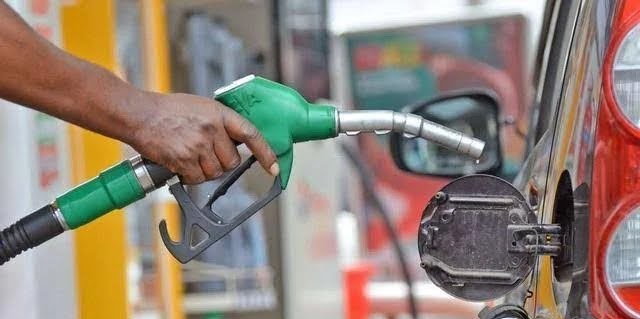
Petrol sells above ₦1,000 despite fall in global oil prices
By Oluwatobiloba Olukanni
Many Nigerians are asking why petrol prices remain above ₦1,000 per litre despite the recent fall in global crude oil prices.
The question has become more pressing after Brent crude prices dropped following the easing of tensions in the Middle East.
Analysts had expected the decline to eventually lead to lower petrol prices in Nigeria, but that has yet to happen.
In response to the changing global market, the Dangote Petroleum Refinery announced a reduction in its ex-depot price of Premium Motor Spirit (PMS), commonly known as petrol price from the refinery by ₦75, bringing it down from ₦1,250 to ₦1,175 per litre.
In a circular to marketers, the refinery said the decision followed the easing of tensions in the Middle East.
“Following the de-escalation of tensions in the Middle East, which has impacted energy prices, we have reviewed our Premium Motor Spirit gantry/coastal price,” the refinery stated.
Despite the reduction, many filling stations across the country continue to sell petrol for between ₦1,200 and ₦1,300 per litre.
Oil marketers say the delay in reducing pump prices is because many retailers are still selling products bought before the refinery announced the price cut.
According to marketers, immediately lowering prices would mean selling existing stock at a loss.
Industry experts also point to the continued weakness of the naira as a major reason fuel prices remain high; although crude oil prices have fallen, transactions in Nigeria’s downstream petroleum sector, including crude purchases, refining, and distribution, are still heavily influenced by the exchange rate.
In addition, transportation costs, depot charges, port fees and other logistics expenses continue to increase the final cost of petrol before it reaches consumers.
Energy analysts say many Nigerians expected the commencement of local refining at the Dangote Refinery to shield the country from international price shocks.
However, they note that while local refining has improved fuel supply, it does not completely remove Nigeria from global oil market realities because crude oil is still priced according to international market rates.
For now, industry observers say motorists may have to wait longer before the full impact of lower global crude prices is reflected at filling stations, as exchange rate pressures, distribution costs and old stock continue to influence retail prices.