A Generation on the Edge: Nigerian Youth Stuck in the Webs of Hard Drugs
On street corners in Kano, in university hostels in Lagos, in rural villages in Benue, and in nightclubs in Abuja, a crisis is unfolding in plain sight. Nigeria’s youth are caught in an escalating war with hard drugs — a battle that is reshaping communities, overwhelming hospitals, and threatening the country’s future with a ferocity that experts say can no longer be minimised or ignored.
The numbers alone tell a harrowing story. The National Drug Use Survey showed that 14.3 million Nigerians aged 15 to 64 had used illicit substances, excluding alcohol and tobacco, within a single year, representing a prevalence rate of 14.4 percent — nearly three times the global average.  And the crisis, authorities confirm, is most severe among the young.
Illicit drug use among Nigerians has reached an emergency level, with millions — especially young people — caught in cycles of substance abuse and addiction. Experts have warned that without decisive action, Nigeria risks losing an entire generation to addiction. 
The warning could not be more stark. NDLEA Chairman, Brigadier General Buba Marwa, disclosed that drug initiation now occurs as early as age 19, and in some cases below 15. More than 60 percent of the 77,859 drug offenders arrested over the past five years were young persons, and the majority of the over 48,000 individuals treated in rehabilitation facilities also fell within the youth demographic. 
The Director-General of NAFDAC, Prof Christianah Adeyeye, warned that Nigeria’s drug crisis has escalated into a major public health and national security threat, stressing that the scale of abuse is far beyond what official statistics fully capture. 
The enforcement figures reinforce the alarm. Between January and February 2026 alone, the NDLEA recorded 3,913 arrests, 581 convictions, and over 113,000 kilograms of drug seizures.  Yet despite this, supply chains remain stubbornly intact.
The landscape of substance abuse among Nigerian youth is as diverse as the country itself, shaped by geography, economics, and social environment.
In Lagos and Port Harcourt, tramadol, codeine syrup, and cannabis dominate. Imported and synthetic strains such as “Colorado” and locally mixed blends with chemicals are increasingly common, while shisha lounges, nightclubs, and campus hotspots have become social hubs for experimentation. In Abuja, Rohypnol and diazepam are widely misused, and alcohol-drug mixes combining energy drinks with codeine or tramadol are growing in popularity. Homemade concoctions like “monkey tail” — a local gin blended with cannabis — circulate openly in urban areas. 
Rural communities face a grimmer version of the same crisis. Petrol fumes, glue, paint thinners, and vulcanising solution are widely abused, with some youths mixing candy into soft drinks, smoking plant leaves, or combining multiple substances for stronger effects. 
Marwa highlighted newer patterns of concern: cannabis-infused foods and drinks, methamphetamine — known locally as “mkpurumiri” — particularly prevalent in the South-East, and drug-laced edibles such as cookies and pastries distributed through social media networks by educated young individuals. 
The economic angle is critical. For less than the price of a meal, a young person can purchase a strip of tramadol tablets for as little as ₦500, or a bottle of flavoured codeine syrup for under ₦1,000 — making access dangerously affordable. 
Cannabis: The Dominant Threat
Cannabis remains the most widely abused drug in Nigeria, accounting for over 70 percent of the 14.8 million kilograms of illicit substances seized between 2021 and 2025. The country is estimated to have approximately 10.6 million cannabis users, the majority of them youths. 
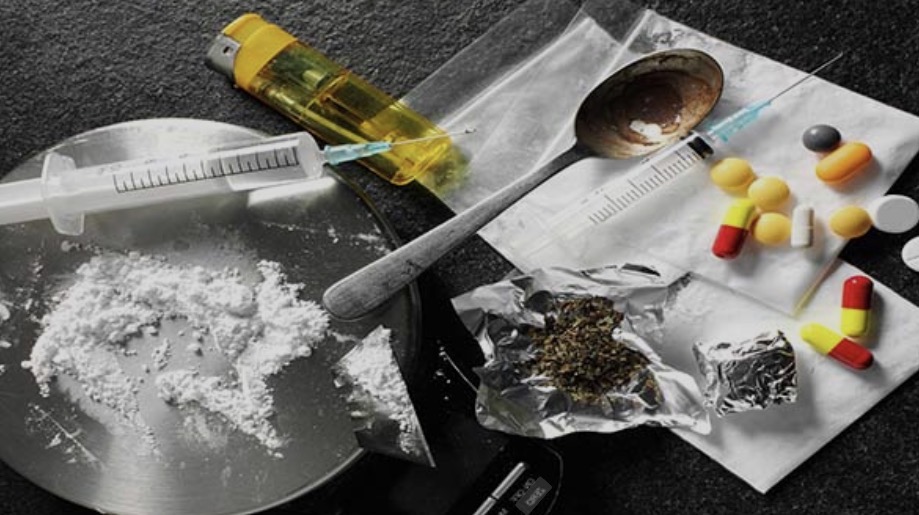
Beyond cannabis, the NDLEA identifies tobacco, cocaine, diazepam, codeine, and amphetamines as among the drugs most abused by Nigerian youth. Reports also indicate that drugs are openly available as part of entertainment at weddings, birthdays, and burial ceremonies. 
What is driving this epidemic? Experts and surveys point to a confluence of social, economic, and psychological forces.
A nationwide survey found that half of all respondents identified peer pressure as the primary driver of drug abuse among youth, followed by mental health challenges — such as depression and stress — at 32 percent. 
Academic researchers have identified peer pressure, poverty, lack of parental upbringing, unemployment, and easy access to substances as key factors. Drug abuse is now linked to academic decline, mental health challenges, and risky behaviours among students in tertiary institutions across the country. 
Marwa noted that many youths seek temporary relief from academic and social pressures without realising they are jeopardising their future, and that substances such as cannabis, codeine-based syrups, tramadol, and synthetic drugs are finding their way into campuses at an alarming rate. 
Social media is accelerating the problem. With approximately 38.7 million social media users in Nigeria as of 2025, it has become increasingly difficult to regulate the proliferation of drug culture, particularly among young people who are susceptible to copying celebrities. Films, actors, and skits that showcase drug use as desirable content are fuelling normalisation. 
At the Neuro-Psychiatric Hospital in Aro, Abeokuta, roughly 75 percent of patients have drug-related problems  — a figure that illustrates just how thoroughly the addiction epidemic has colonised the mental health system.
At the individual level, substance abuse is associated with a range of physical and mental health problems, including addiction, liver disease, cardiovascular disorders, and psychiatric conditions such as depression and anxiety. The burden of these conditions is worsened by limited access to healthcare services, particularly in rural areas. 
The brutality with which conflicts and criminal enterprises are executed has also been partly attributed to the use of opioids like tramadol and cannabis, with erratic and aggressive behaviour becoming increasingly normalised in many communities. 
While the NDLEA has ramped up arrests and seizures, systemic gaps are undermining the response. Despite seizures, arrests, and public awareness campaigns, the supply chain remains difficult to control, with substances flowing from legitimate pharmaceutical sources into informal markets and street-level distribution networks. 
Only 15 percent of planned rehabilitation centres under the National Drug Control Master Plan 2021–2025 have been operationalised, and underfunded rehabilitation services continue to hamper effective treatment. 
Poor enforcement of drug regulatory laws is compounded by the complicity of some law enforcement agents, who are themselves patrons of illegal drug markets, offer protection to dealers, and have been reported to accept drugs as bribes to prevent arrests. 
A public survey found that only 20 percent of Nigerians believe government anti-drug efforts are very effective, pointing to a significant trust deficit between policymakers and the communities most affected. 
Experts are increasingly calling for a holistic, multi-stakeholder response that goes beyond policing.
Researchers advocate for a holistic approach involving educational institutions, families, community leaders, and religious organisations to develop robust prevention programmes, emphasising that addressing drug abuse in Nigerian tertiary institutions requires evidence-based strategies that foster long-term resilience among students. 
There are some glimmers of progress. In Benue State, peer-led naloxone distribution by the NGO YouthRISE Nigeria reduced opioid overdose deaths by 25 percent, demonstrating that community-driven harm reduction can work when properly resourced. 
But experts caution that scattered successes are no substitute for national political will. Nigeria has the youngest population of any country on earth, with over 70 percent of its citizens under the age of 30. The choices made in the next few years about how seriously — and how wisely — it tackles the drug crisis will determine whether that demographic dividend becomes a generation-defining triumph or a generation-defining tragedy.