President Tinubu Approves ₦3.3 Trillion Plan to Clear Power Sector Debts, Restore Electricity Supply
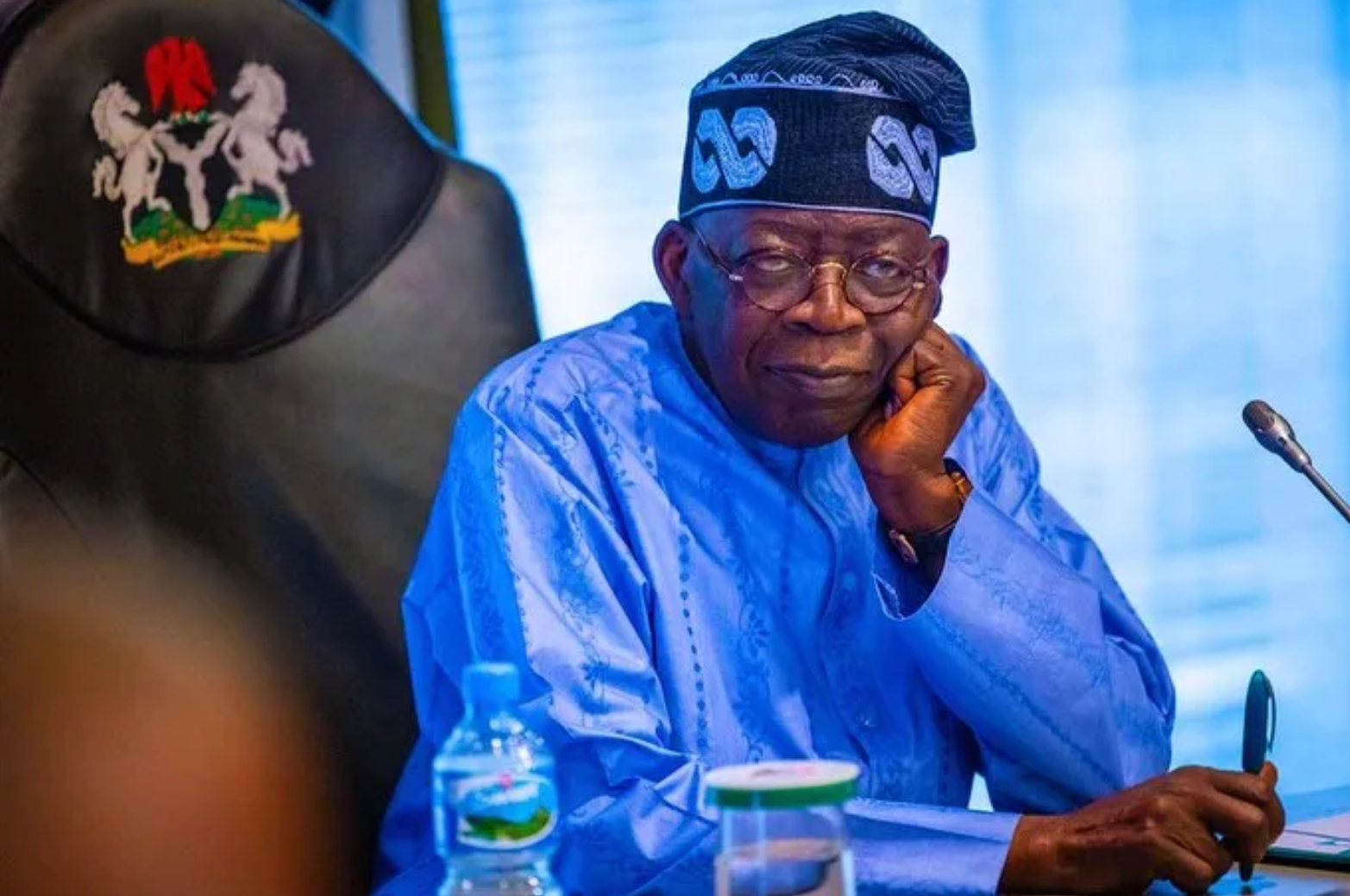
President Bola Ahmed Tinubu has approved a ₦3.3 trillion payment plan aimed at settling long-standing debts in Nigeria’s power sector, a move the Federal Government says will help restore more reliable electricity across the country.
The announcement was contained in a statement issued on Sunday by the President’s Special Adviser on Information and Strategy, Bayo Onanuga.
According to the statement, the payment plan is part of the Presidential Power Sector Financial Reforms Programme, designed to resolve legacy debts that have weighed on the electricity sector for more than a decade.
The debts accumulated between February 2015 and March 2025 across Nigeria’s electricity value chain, including generation companies and gas suppliers.
Following a verification process, the Federal Government agreed on ₦3.3 trillion as a full and final settlement of the outstanding obligations.
The government said implementation of the repayment plan has already begun. So far, 15 power plants have signed settlement agreements worth ₦2.3 trillion.
To kick-start the process, the Federal Government has raised ₦501 billion, out of which ₦223 billion has already been disbursed, while further payments are ongoing.
Officials say clearing these debts will improve liquidity in the power sector and allow power generation companies to operate more efficiently.
Explaining the programme in the same statement, Special Adviser to the President on Energy, Olu Arowolo-Verheijen, explained that the programme is intended to restore confidence across the electricity industry, “This programme is not just about settling legacy debts. It is about restoring confidence across the power sector, ensuring gas suppliers are paid, power plants can keep running, and the system begins to work more reliably,” she said.
She added that the reform effort is part of broader changes already underway in the sector, including improvements in electricity metering and the introduction of service-based tariffs that link electricity charges to the quality of supply received by consumers.
According to her, the government is also prioritising electricity supply to businesses, industries and small enterprises, noting that reliable power is essential for job creation and economic growth, “The goal is simple: more reliable power for homes, stronger support for businesses, and a system that works better for all Nigerians,” she said.
Nigeria has struggled with electricity shortages for decades despite having one of the largest power generation capacities in Africa.
Data from the Nigerian Electricity Regulatory Commission shows that while the country has an installed generation capacity of over 13,000 megawatts, actual power generation typically fluctuates between 3,500 and 5,000 megawatts, far below the level required to meet national demand.
Industry experts say several factors have contributed to the persistent electricity crisis, including large debts owed to power generation companies, gas supply challenges, and weaknesses in the transmission and distribution networks.
The Federal Government believes that clearing these legacy debts will help stabilise the sector and encourage more investment in electricity generation and infrastructure.
President Tinubu also commended stakeholders in the power sector for supporting efforts to resolve the long-standing financial issues. He confirmed that the next phase of the reform programme, known as Series II, will begin later this quarter.