Tinubu Urges Nigerians to “Thank God” They’re Better Off Than Kenyans Amid Fuel Price Hardship
President Bola Tinubu has sparked fresh public debate after telling Nigerians to be grateful that their economic situation is not as dire as that of Kenya and other African countries, even as fuel prices continue to climb sharply across the country.
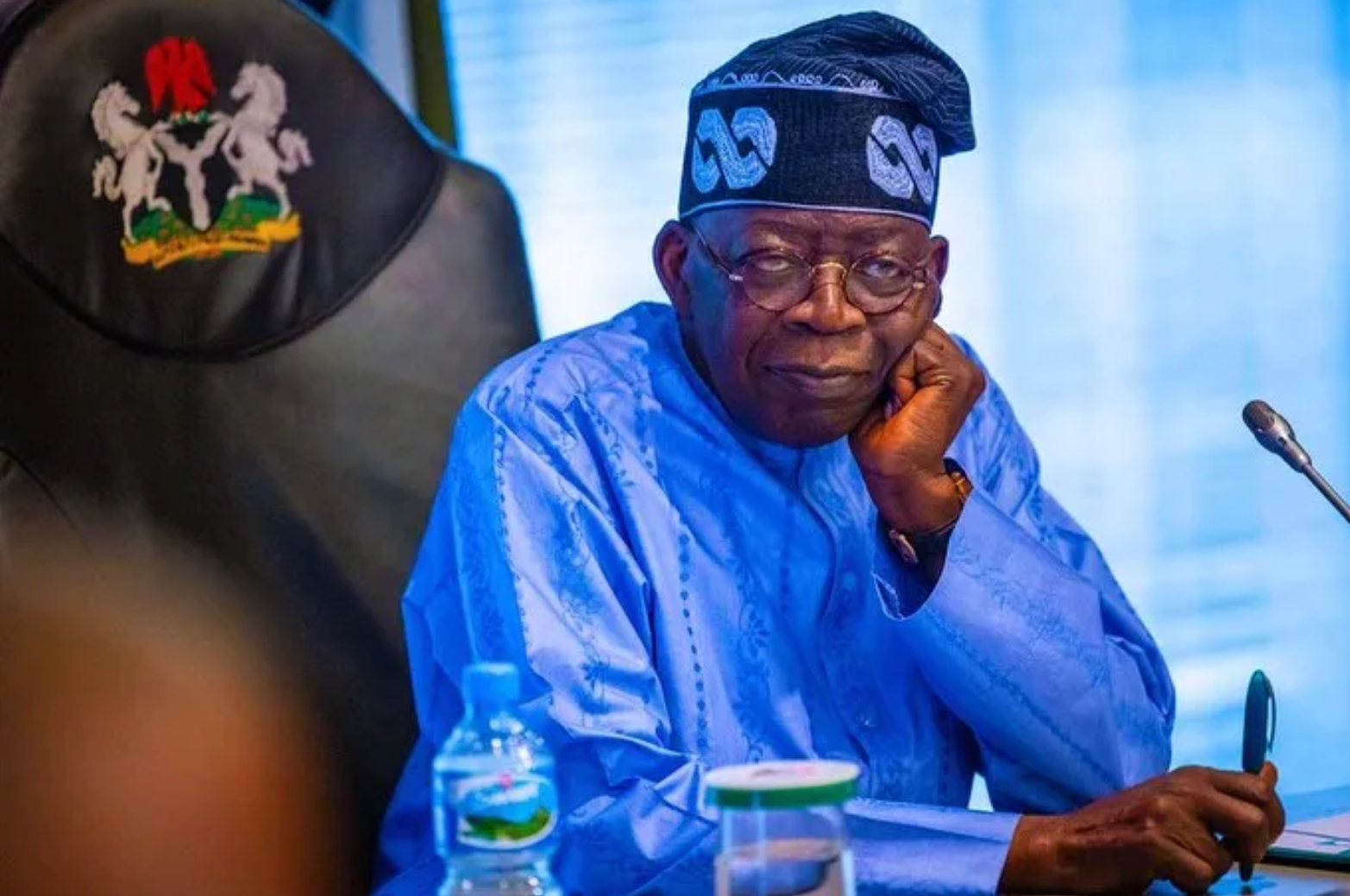
The President made the remarks during a visit to Bayelsa State on Friday, where he commissioned a number of projects. Addressing growing frustration over the cost of living, Tinubu acknowledged the burden of rising fuel costs, saying: “Yes, I hear you from the angles of the economy; the fuel prices are biting hard. But look around; let’s thank God together that we are better off than those in Kenya and other African countries.”
The President also pledged that his administration would continue working to ease the suffering of vulnerable Nigerians, adding: “We will not look back. We will continue to find ways to ameliorate the suffering of the vulnerable. This is a government that cares.”
A Comparative Claim Under Scrutiny
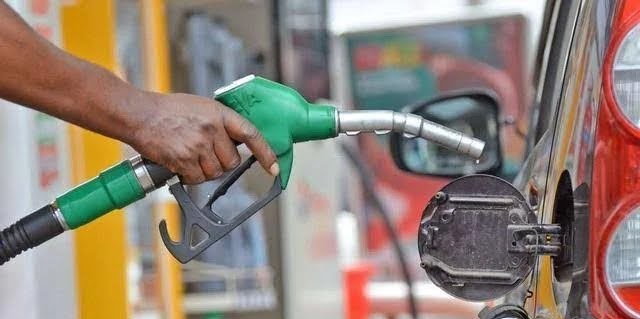
Tinubu’s assertion appears to be rooted, at least in part, in fuel pricing data. Checks by Daily Post showed that fuel prices in Kenya as of April 2026 stood at approximately $1.37 per litre — equivalent to roughly ₦1,862 — compared to Nigeria’s current pump prices, which have risen to between ₦1,290 and ₦1,350 per litre.
However, critics note that a direct fuel price comparison does not capture the full picture of living standards, income levels, or the broader economic pressures facing ordinary citizens in both countries.
Context: A Nation Straining Under Reform
Since assuming office in May 2023, the Tinubu administration has implemented a series of sweeping economic reforms, including the removal of the petrol subsidy and the floating of the naira. While the policies are aimed at long-term economic stability, they have contributed to increased hardship for many Nigerians, driven by rising inflation and a sharp surge in the cost of living.
The situation has been further worsened by recent geopolitical tensions in the Middle East — particularly involving the United States, Israel, and Iran — which have disrupted global energy markets and driven crude oil prices higher.
In the last six weeks, petroleum marketers, depot owners, and the Dangote Refinery have all increased domestic fuel pump prices to reflect global crude oil price volatility.
Mixed Reactions
The President’s remarks have drawn swift reactions from across the political spectrum. Former Vice President Atiku Abubakar did not hold back, slamming Tinubu’s reforms as “monumental regression” in a separate statement issued the same day.
For many Nigerians, the optics of being told to count their blessings while grappling with record-high living costs strikes a raw nerve. Fuel, food, and transportation costs have all risen steeply since the subsidy removal, and the middle class — traditionally a buffer against economic shocks — continues to feel the squeeze.
The President’s Bayelsa visit and his remarks are likely to fuel ongoing national conversation about whether the administration’s reform agenda is delivering tangible relief — or simply asking citizens to endure.