Education at Crossroad: Policy, Politics and Civic Responsibility
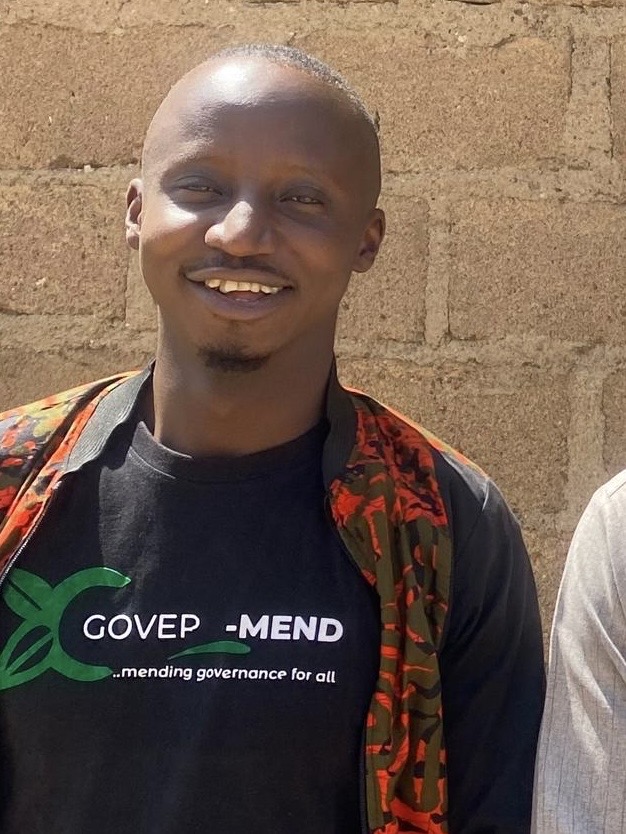
Author: Sunkanmi Ajewole
Nigeria’s education sector today stands at a crossroads, caught between ambitious reforms and the realities of weak governance, corruption and underfunding. The Federal Ministry of Education’s new curriculum for the 2025/26 academic year, which reduces subject overload by setting 9 to 10 subjects for primary pupils and 12 to 14 for senior secondary students, is a step toward aligning with global best practices. But yet, questions remain about whether schools have the capacity to implement such changes effectively. Alongside this, the requirement that schools employ certified teachers or risk losing WAEC accreditation is a bold attempt to raise standards but it exposes the chronic shortage of qualified teachers, especially in rural areas and highlights the tension between policy ambition and systemic limitations.
Education reforms in Nigeria are often politically driven, rolled out quickly to showcase progress but without adequate consultation. This leads to confusion among schools, parents and students. Political instability and corruption further undermine progress, with funds earmarked for education frequently diverted or lost to mismanagement. Nigeria spends less than 10% of its annual budget on education, far below UNESCO’s recommended 15 to 20%. Mismanagement and inflated contracts for school buildings or procurement fraud mean that even the limited resources available are not used efficiently. The result is evident; overcrowded classrooms, sometimes with 80 to 100 pupils per teacher, inadequate facilities and poor working conditions for teachers, which often lead to strikes and disruptions in the academic calendar.
The consequences are stark: students in underfunded schools struggle with poor learning outcomes, parents lose faith in the system and inequality between urban and rural schools deepens. Meanwhile, countries like Finland and Singapore provide useful benchmarks. Finland invests heavily in teacher training, ensuring educators are highly qualified and respected, while Singapore emphasizes curriculum innovation and continuous assessment, resulting in higher literacy rates and better student performance. Nigeria’s reforms aim to emulate these models but weak governance and corruption remain significant barriers.
Education, however, is not only about academics, it is also about civic empowerment. This is where GovernMEND plays a crucial role. GovernMEND is a civic initiative dedicated to educating Nigerians, especially the youth, on their civic rights, responsibilities and the importance of political participation. Through school outreach programs, grassroots campaigns and advocacy platforms, GovernMEND helps young people understand governance, demand accountability and actively participate in democracy. Their work bridges the gap between classroom learning and real-world civic engagement, ensuring that education produces not just literate citizens but informed and active ones.
GovernMEND’s initiatives highlight the importance of integrating civic education into the broader education system. By teaching students about democracy, accountability and active citizenship, they empower the next generation to challenge corruption, demand better policies and participate meaningfully in governance. In a country where corruption and mismanagement often derail reforms, civic education becomes a powerful tool for democratic renewal.
Nigeria’s education system faces challenges of policy inconsistency, corruption and resource scarcity. But beyond government reforms, civic organizations like GovernMEND show that education can be a tool for building a more accountable society. By teaching students about their rights, responsibilities and the workings of governance, they ensure that the next generation is not only educated but also empowered to shape Nigeria’s future. True education must include civic literacy, because a society cannot thrive if its citizens are uninformed about their rights and responsibilities.
In the end, education is not just about passing exams or securing jobs. It is about building a society where citizens are informed, engaged and ready to hold leaders accountable. And in Nigeria today, that mission is as urgent as ever.