How Bwala’s Loss of His Head in the “Head to Head” Interview Sparks Debate on Nigeria’s Political Communication
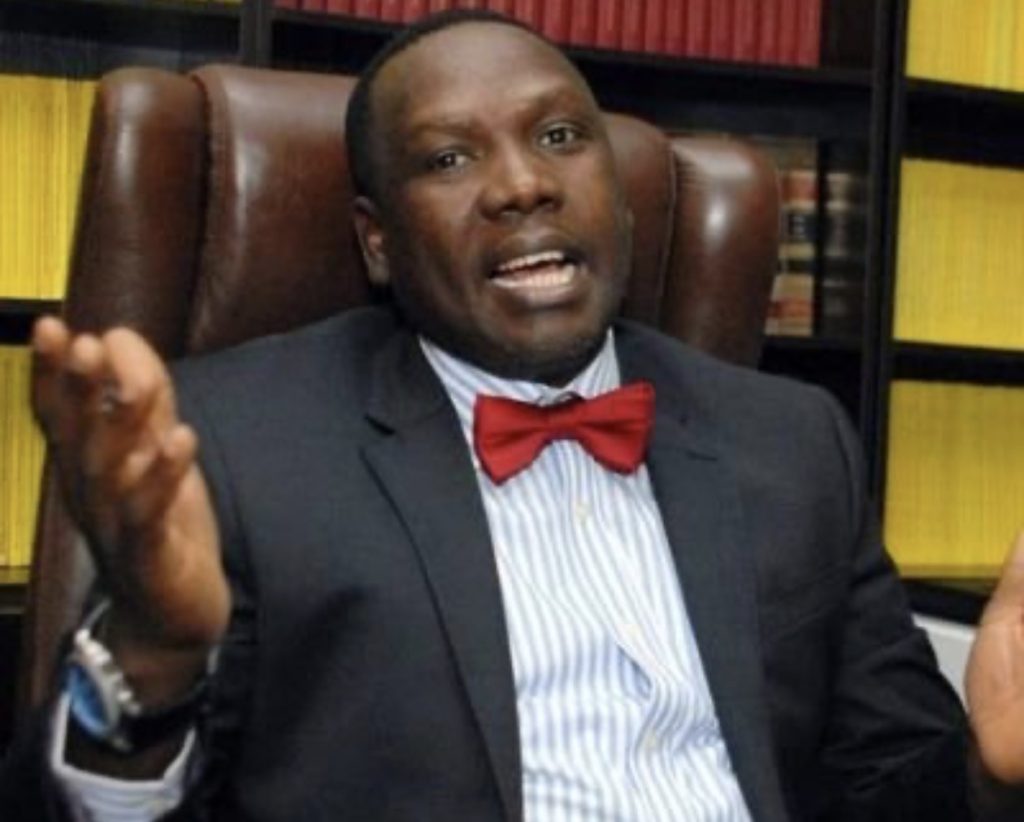
A recent international TV interview by Nigerian presidential adviser Daniel Bwala on Head to Head, hosted by the world famous ‘merciless’ Mehdi Hasan on Al Jazeera, has triggered widespread debate across Nigeria and beyond. The interview, which centred largely on the performance of the administration of Bola Ahmed Tinubu took a different turn, it quickly went viral, drawing mixed reactions from political analysts, media commentators, and the Nigerian public.
The interview that began assessing the progress of President Tinubu’s “Renewed Hope” agenda and examining the country’s economic and security challenges. However, turned out fiercely confrontational as Hasan repeatedly challenged Bwala with data and reports on Nigeria’s economy, insecurity, and governance. 
During the heated interview, Bwala was bluntly challenged with past statements he made when he was on the side of the opposition. Hasan referenced earlier criticisms Bwala had directed at Tinubu before later joining the administration as a spokesperson, creating a tense exchange about political consistency, character and credibility.
Some observers noted that the host’s questioning style is similar to a courtroom-style cross-examination rather than a conventional interview (where some ethics are expected), a characterization echoed by some Nigerian broadcasters following the broadcast. 
Clips from the interview circulated widely on social media, prompting criticism from several commentators who argued that Bwala struggled to effectively defend the government’s policies under intense scrutiny. Some analysts described the appearance as an “embarrassing symbol” of Nigeria’s political communication in the international political space. 
Others framed the controversy more broadly as a reflection of Nigeria’s political culture, noting that the interview reignited public discussion about accountability, policy clarity, and the communication strategies of government representatives. 
In the aftermath of the broadcast, when Bwala finally found his voice, Bwala defended his performance and rejected much of the criticism. He stated that he had no regrets appearing on the programme and maintained that he would defend the Tinubu administration “anywhere in the world” as often as it’s necessary.
However, the presidential aide also accused Al Jazeera of selectively editing portions of the interview in a way that he said misrepresented his arguments and fueled online criticism. 
Despite the controversy, Bwala insisted he remained willing to participate in international media engagements, arguing that robust debates are part of democratic discourse. 
Beyond the immediate public reaction, the interview has sparked a broader conversation about the role of political communication in Nigeria. Analysts argue that public officials representing the country on global platforms must be prepared for rigorous questioning, particularly when discussing issues such as economic hardship, insecurity, and governance reforms.
For many observers, the exchange between Bwala and Hasan pointed the growing demand for evidence-based political dialogue and the increasing scrutiny faced by government representatives in the global media environment.