The Nigeria We Inherit and the Nigeria We Live In, By Oluwatobiloba Olukanni
Every nation carries a narrative of where it came from, but few contrast as painfully with their present as Nigeria. To talk about the Nigeria of today is to detail a profound breakdown, a state where the distance between the country citizens inherited and the country they live in has widened into an abyss.
There was a time when education in Nigeria was the ultimate social mobility tool. Public universities were free or virtually free, student hostels provided subsidized meals, and graduates stepped into immediate employment or structured civil service postings without needing political connections. Education was the common man’s genuine hope. Today, that promise is completely broken. School fees have skyrocketed across primary, secondary, and tertiary institutions, pricing millions of working-class families out of basic education. Nigeria now carries one of the highest counts of out-of-school children globally, with millions of children entirely outside the formal school system. Graduates face years of chronic unemployment, where merit has been replaced by informal connections, leverage, and partisan political access.
The Nigeria of memory enjoyed an economic surplus so vast that state leadership famously declared money was not the problem, but rather how to spend it. The Naira traded competitively against major global currencies, and Nigeria routinely extended economic aid, technical assistance, and peacekeeping support to nations across Africa and beyond. Today, the economic engine has collapsed into perpetual debt. The Naira has suffered historic devaluations, eroding purchasing power overnight and making basic transport and housing costs far higher than individual monthly salaries. Rather than funding regional growth, Nigeria spends an overwhelming percentage of its national revenue simply servicing debt, constantly relying on foreign loans to fund basic budget deficits while removing consumer subsidies on commodities under the guise of fiscal prudence, only to fund the outrageous lifestyles of the political class.
In the past, Nigerian institutions commanded international respect and domestic confidence. Today, those same pillars have suffered severe erosion across every sector. The judicial system, once regarded as the last hope of the common man, now faces severe public cynicism, exacerbated by high-profile legal technicalities where procedural rules often override substantive public scrutiny. Institutions like the Economic and Financial Crimes Commission, originally established to instill fear in public looters, are increasingly viewed as selective, ineffective, or politically leveraged. Issues like document forgery or falsified qualifications, once fatal to a public career, have been neutralized through legal loopholes and statutory changes, creating a political culture where forgery is no longer treated as a barrier to holding the highest offices in the land.
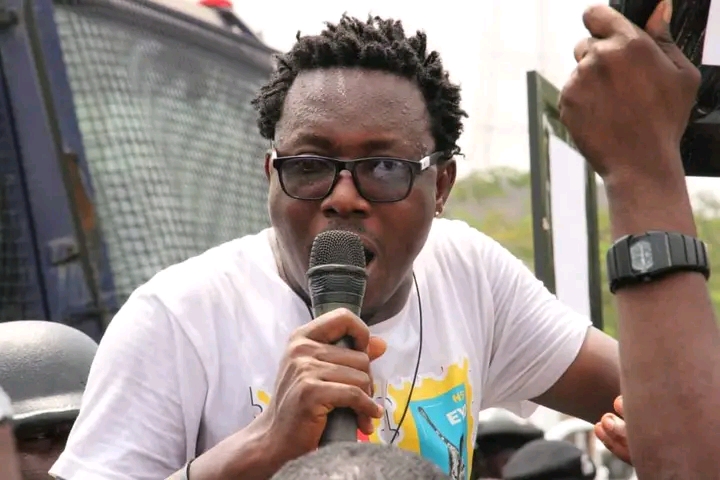
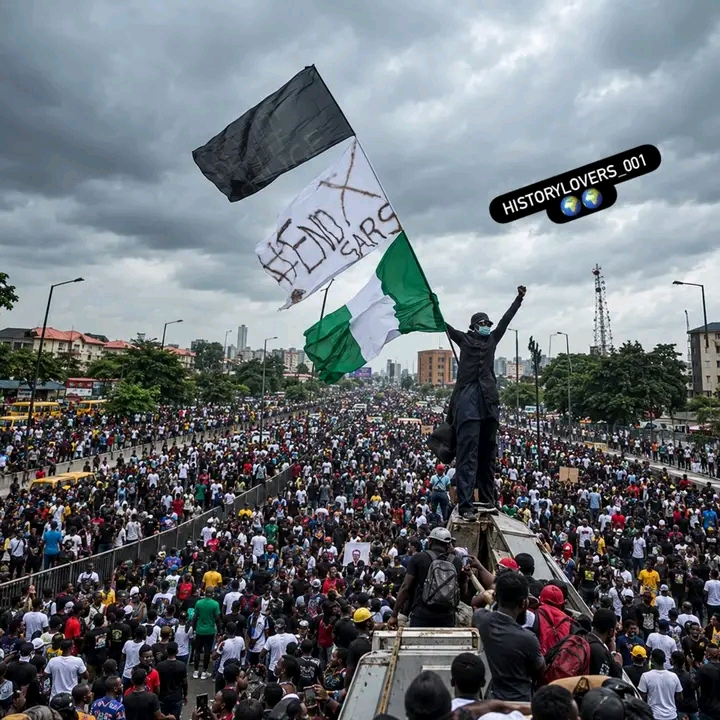
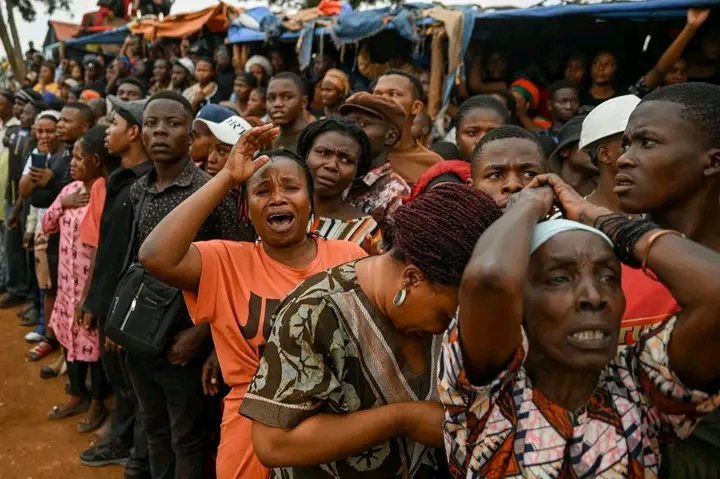
For the average citizen, daily existence has become a continuous test of endurance in a country that once held the title of the Giant of Africa. Terrorism, rural banditry, and widespread kidnappings have shifted from isolated security failures to normalized daily risks, with thousands targeted across highways and rural communities. While neighboring countries and emerging economies resolved their electricity challenges decades ago, Nigeria continues to battle frequent national grid collapses and widespread blackouts in 2026, forcing households and businesses to rely entirely on expensive private power generation. At the same time, the political space has narrowed through voter suppression, vote-buying practices where basic food items like rice are weaponized during elections, police harassment during peaceful protests, and systematic efforts to enforce a de facto one-party system by silencing opposition voices.
To call Nigeria the Giant of Africa today feels less like a title of honor and more like an echo of a forgotten era. A nation cannot thrive when its people are forced to shoulder the costs of governance while receiving none of its protections. Rebuilding requires moving past nostalgia and confronting these structural realities with uncompromising reform, institutional accountability, and a genuine return to serving the public good.