The Echoes of Lekki: Six Years After #EndSARS, the Unbroken Struggle for Justice and Civic Dignity, By Oluwatobiloba Iyanuoluwa Olukanni
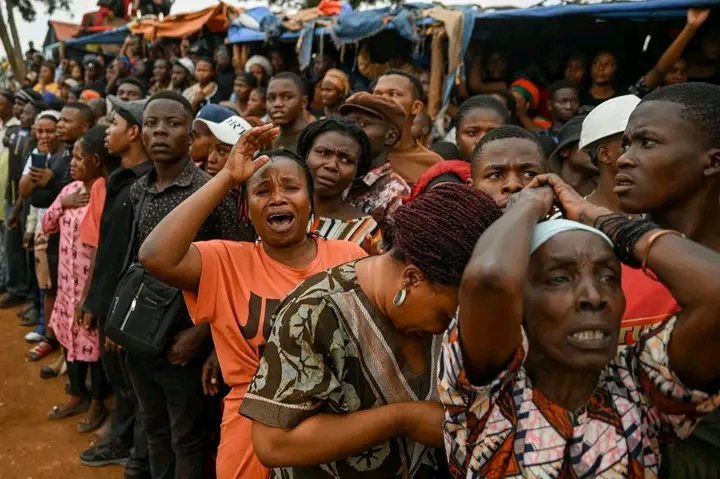
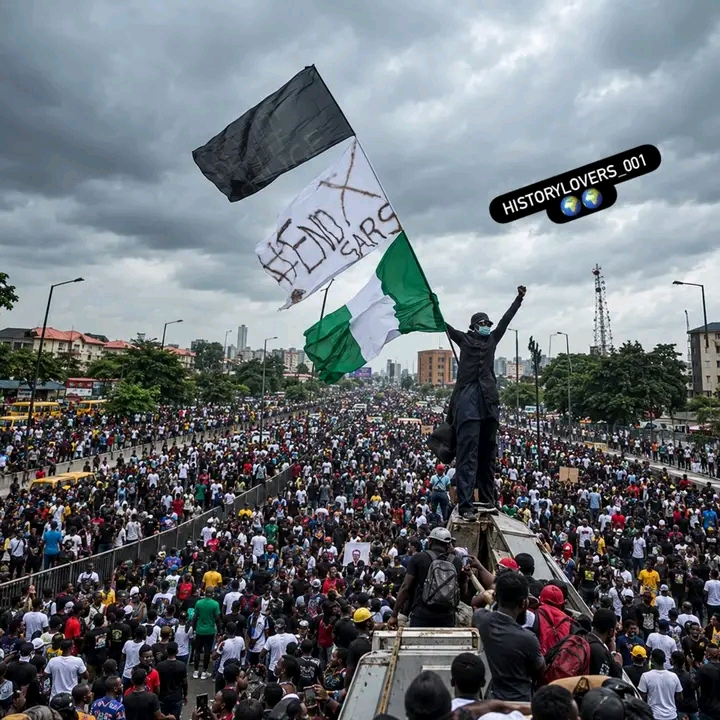
Six years after the generation-defining #EndSARS protests shook the foundations of Nigeria’s governance, the painful memory of October 20, 2020, remains a raw, unhealed wound on the national consciousness. According to comprehensive reports by Channels Television and Arise News, what began as a united, youth-led outcry demanding the total disbandment of the notoriously abusive Special Anti-Robbery Squad (SARS) quickly transformed into a profound national awakening against the systemic failure of state institutions. Today, on October 20, 2026, the country marks yet another somber anniversary of the Lekki Toll Gate tragedy, where peaceful citizens—holding the national flag and singing the national anthem—were met with live gunfire from state security forces. Decades from now, history will record that fateful night as the ultimate proof of how far an insulated political class will go to preserve its grip on power by suppressing the legitimate voices of its own people.
Yet, the deepest tragedy of the #EndSARS legacy is that the underlying systemic conditions that drove thousands of young Nigerians into the streets six years ago remain heavily unresolved. As documented in investigative analyses by The Cable Nigeria and The Punch Newspaper, despite the immediate, performative disbandment of SARS and its rushed replacement with the SWAT unit, advocates note that police impunity, extortion, and arbitrary profiling continue to plague everyday life. True institutional accountability was swept under the rug of bureaucratic indifference. The highly publicized judicial panels of inquiry generated extensive stacks of recommendations and verified mass casualties, but the structural culture of official impunity remains entirely intact. The state continues to focus its energy on heavy-handed security measures rather than implementing deep, sweeping reforms to protect the civic dignity of the ordinary citizen.
The tension surrounding this unaddressed trauma became clear on Tuesday afternoon at the Lekki Toll Gate, where armed police operations aggressively fired tear gas to disperse citizens, activists, and prominent opposition figures gathered for a peaceful memorial procession. Live reporting from Premium Times showed that the sudden use of force disrupted the exercise, forcing participants to flee as thick tear gas filled the air. In a public statement tracked by BusinessDay Newspaper, political leader Peter Obi emphasized that the anniversary serves as a painful reminder of the ultimate price paid by Nigerian youth, insisting that a new nation is only possible when government power is exercised with profound respect for human rights and when no citizen is punished for demanding good governance. The aggressive dispersal of peaceful mourners underlines the stark reality that the state still views citizen mobilization not as a democratic right, but as an existential threat to be forcefully suppressed.
Ultimately, the enduring lesson of the #EndSARS movement is that the historic awakening of 2020 cannot be permanently extinguished by tear gas or state denial. It proved once and for all that when ordinary citizens break past artificial divisions to find a shared political voice, they possess the structural leverage to challenge the status quo. The struggle did not end at the toll gate; it merely shifted into a long, strategic battle for accountability, where the populace must continuously realize that sustainable peace requires robust institutions rather than temporary political concessions. Reclaiming the country from the hands of a selfish few requires keeping the memory of the fallen alive, maintaining the collective courage to demand lasting systemic reforms, and ensuring that the high price paid by the youth six years ago yields a nation where every single life genuinely matters.